
By Foulis Peacock
How one fast-casual brand is capturing market share by breaking every rule in the burrito playbook
While legacy burrito chains compete on price and speed alone, Bubbakoo’s Burritos has built something more valuable: a concept that customers actually remember. In a segment where most brands blur together, this Jersey Shore-born franchise has carved out genuine differentiation through unexpected flavor innovation and community-first hospitality.
The Fast-Casual Opening That Others Missed
 The fast-casual dining market in the United States reached $45.58 billion in 2024 and is projected to grow by $84.5 billion from 2025 to 2029, with a compound annual growth rate (CAGR) of 13.7%, reaching approximately $130 billion by 2029. Within this massive expansion, there’s a gap that traditional burrito chains consistently fail to fill.
Most fast-casual concepts follow the same playbook: assembly-line customization, efficiency-first operations, and menu offerings that prioritize speed over flavor innovation. They’ve industrialized the burrito, stripping away personality in pursuit of scalability.
Bubbakoo’s took the opposite approach. Rather than compete on operational efficiency alone, they asked a different question: What if a burrito chain could deliver both speed and genuine flavor innovation? What if customization could extend beyond standard toppings to unexpected combinations that make people actually excited about lunch?
The answer transformed a single Jersey Shore location in 2008 into 141+ locations nationwide today (9 company-owned), with aggressive expansion toward 200+ by the end of 2026.
Beyond the Assembly Line
Walk into most burrito chains, and you know exactly what you’re getting. The same proteins, the same salsas, the same rice and beans executed with assembly-line precision.
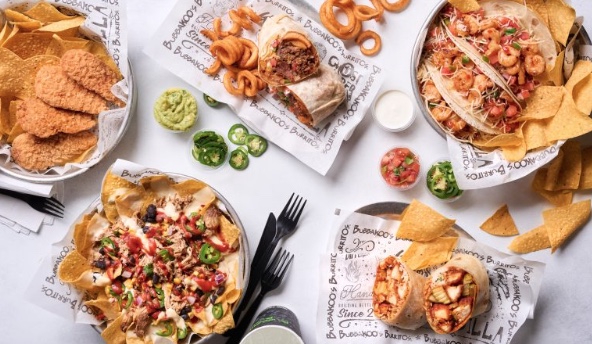 Bubbakoo’s breaks that predictability. The menu infuses American comfort food flavors into Mexican-inspired formats—think cheeseburger burritos, hibachi bowls, buffalo chicken creations. These aren’t gimmicks; they’re strategic menu innovations that give customers reasons to return beyond convenience.
The customization extends further than competitors, but it’s the unexpected flavor combinations that create the real differentiation. This approach transforms a commoditized product category into something customers actively seek out and talk about.
The Community Connection Model
Fast-casual chains typically treat local markets as interchangeable units in a larger system. Open the store, execute the operations manual, collect revenue, repeat.
Bubbakoo’s operates differently. Community involvement isn’t a corporate social responsibility add-on—it’s core to the franchise model. Each location becomes part of the neighborhood fabric through genuine local engagement, event participation, and relationships that extend beyond transactions.
This community-first approach creates something increasingly rare in franchise systems: customer loyalty that transcends convenience. People choose Bubbakoo’s not because it’s closest, but because they feel connected to the brand and the people behind it.
The Market Dynamics Working in Your Favor
Several converging trends are accelerating opportunity in the fast-casual segment right now.
Consumer preferences continue shifting away from traditional quick-service restaurants toward fast-casual concepts that balance speed with quality. The pandemic accelerated this transition, and post-pandemic dining patterns show the shift is permanent.
Digital ordering and delivery have expanded addressable markets. Fast-casual concepts with strong takeout operations now serve customers far beyond their physical footprint. Bubbakoo’s digital infrastructure—including loyalty programs, automated campaigns, and third-party delivery integration—positions franchisees to capture this expanded market.
Labor efficiency matters more than ever. Bubbakoo’s 15+ years of operational refinement have produced systems that maximize output while controlling staffing costs. The Best-in-Class LSM (Location/Store Manager) training program, developed by experienced restaurant industry professionals, compresses the learning curve and reduces the operational burden on new franchisees.
What the Numbers Mean
Total investment ranges from $356,000 to $757,000, which includes a $35,000 franchise fee for the first location. Additional locations are $20,000 per location. Ongoing fees include 6.0% of gross sales in royalties and 2.0% of gross sales for the marketing fund.
Space requirements remain flexible: 1,600–2,000 square feet for traditional locations, 1,000+ square feet for non-traditional formats. This flexibility allows franchisees to adapt to local market conditions and available real estate.
For single-location operators, required net worth is $500,000 with $150,000 liquid assets. Multi-unit operators need $1,000,000 net worth and $500,000 liquid assets—numbers that reflect serious commitment while remaining accessible to qualified candidates.
The Infrastructure Behind the Growth
 Bubbakoo’s provides comprehensive support across every aspect of franchise operations:
The Best-in-Class LSM training program was designed by restaurant industry veterans who understand the gap between classroom learning and real-world execution. Training combines foundational knowledge with hands-on experience, preparing franchisees for actual operating conditions rather than idealized scenarios.
Store development support extends from site selection through grand opening. The company provides established vendor relationships, proven layouts, and construction oversight that prevents costly mistakes. You’re not navigating real estate and buildout alone.
Marketing infrastructure includes digital advertising dashboards, automated campaign management, CRM and loyalty programs, catering support, influencer programs, third-party delivery optimization, and ongoing PR. These aren’t services you purchase separately—they’re included support that levels the playing field with larger competitors.
Supply chain relationships deliver competitive pricing and reliable delivery. After 15+ years and 141+ locations, Bubbakoo’s has negotiating leverage that individual operators could never achieve independently.
The Franchise Model That Works
Two distinct franchise paths exist within the Bubbakoo’s system, each designed for different operator profiles.
Multi-unit area developers commit to a minimum of three locations. This path suits experienced operators looking to diversify portfolios with proven fast-casual concepts. The area development model provides territorial protection while allowing franchisees to scale efficiently across defined markets.
Single-unit owner-operators run individual locations with full-time commitment. This model works for candidates with hospitality, food service, or retail backgrounds who want to lead teams and build community relationships. First-time franchisees are welcome—with the right leadership mindset and operational focus.
Both paths benefit from the same support infrastructure, but the operational approach differs significantly. Multi-unit operators focus on systems, delegation, and portfolio management. Single-unit operators dive deep into daily operations, customer relationships, and team development.
Who This Actually Fits
The successful Bubbakoo’s franchisee isn’t defined by previous restaurant experience—it’s defined by specific operational traits.
You need genuine passion for customer experience. “Good” service doesn’t cut it in the Bubbakoo’s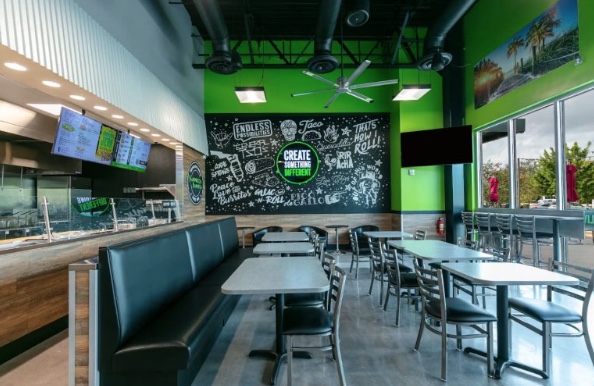 system; the brand standard is creating “WOW” moments that guests remember. This requires attention to detail and commitment to hospitality that goes beyond executing operational checklists.
Action orientation matters more than planning. The company values operators who execute quickly, learn from results, and adjust rather than analyzing endlessly. Restaurant operations reward decisive action over perfect planning.
Team leadership is non-negotiable. Whether you’re running one location or developing territories, you’re building and leading teams. The business model doesn’t work for solo operators who want to minimize staff.
For immigrant entrepreneurs particularly, this represents opportunity in a growth segment where operational excellence and relationship building create competitive advantages. Your reputation develops through consistent execution and community engagement—factors entirely within your control.
The Geographic Reality
Bubbakoo’s is actively expanding in Northeast, Southeast, and Midwest markets where white space exists and consumer demand is proven. The company isn’t pursuing random geographic expansion—they’re targeting markets with demographic and economic profiles that support fast-casual growth.
Territories are finite and exclusive. Once claimed, markets close permanently to other franchisees. The strongest territories—areas with population density, disposable income, and favorable competitive dynamics—are being secured now.
This creates urgency, but the right kind of urgency. You’re not rushing into a speculative market; you’re securing defined territories in proven markets before other qualified operators claim them.
Why This Model Resonates
Bubbakoo’s succeeds because it solved a problem that established chains ignore: how to differentiate in a commoditized category without sacrificing operational efficiency.
The flavor innovation creates genuine preference rather than location-based convenience. The community engagement builds loyalty that survives competitive openings. The operational systems deliver consistency that supports growth without quality erosion.
For franchisees, this means entering a market with clear demand, proven differentiation, and infrastructure that supports execution rather than requiring you to build everything from scratch.
The fast-casual segment will continue growing regardless of which brands capture that growth. Bubbakoo’s positioning—bold flavors, genuine hospitality, operational excellence—gives franchisees competitive advantages that extend beyond first-mover benefit or location quality.
The Track Record
From one location in 2008 to 141+ today represents more than expansion—it demonstrates concept validation across different markets, economic conditions, and competitive environments. Nine company-owned locations mean the franchisor isn’t just selling territories; they’re operating the concept themselves and refining systems based on direct experience.
The trajectory toward 200+ locations by 2026 isn’t aspirational projection—it’s based on current pipeline, territory commitments, and development timelines. The growth is happening. The question is whether you secure territory before your market closes.
What Happens Next
Available territories in target markets are limited. The expansion strategy prioritizes quality over speed, which means selective franchisee approval and controlled territory releases.
If you’re exploring fast-casual franchise opportunities, the decision isn’t whether this segment will grow—the numbers make that clear. The decision is which concept positions you for success within that growth, and whether you act while target territories remain available.
Bubbakoo’s offers differentiation that matters to customers, infrastructure that supports operators, and market opportunity that’s real rather than manufactured. That combination—genuine competitive advantage, proven support systems, growing demand—is increasingly rare in franchise systems.
Ready to Explore This Opportunity?
The fast-casual market is growing. Territories are being claimed. The question is whether you’ll secure your market before someone else does.
To learn more about available territories, investment requirements, and the franchise process:
Visit the Bubbakoo’s Burritos franchise website or connect with their franchise development team to schedule a discovery call.
WadSaver members earn a $2,500 cash rebate when they purchase a Bubbakoo’s Burritos franchise. If you’re not yet a member, visit WadSaver.com to join and access exclusive franchise rebates and business resources.
Don’t wait for the perfect moment—the best territories are being secured now.
